There is something fascinating about places that have outlived their original purpose. Once filled with the noise of machinery, the movement of workers and the routines of industrial production, they gradually fall silent. Equipment stands idle, paint peels from the walls, and nature begins to reclaim what industry has left behind.
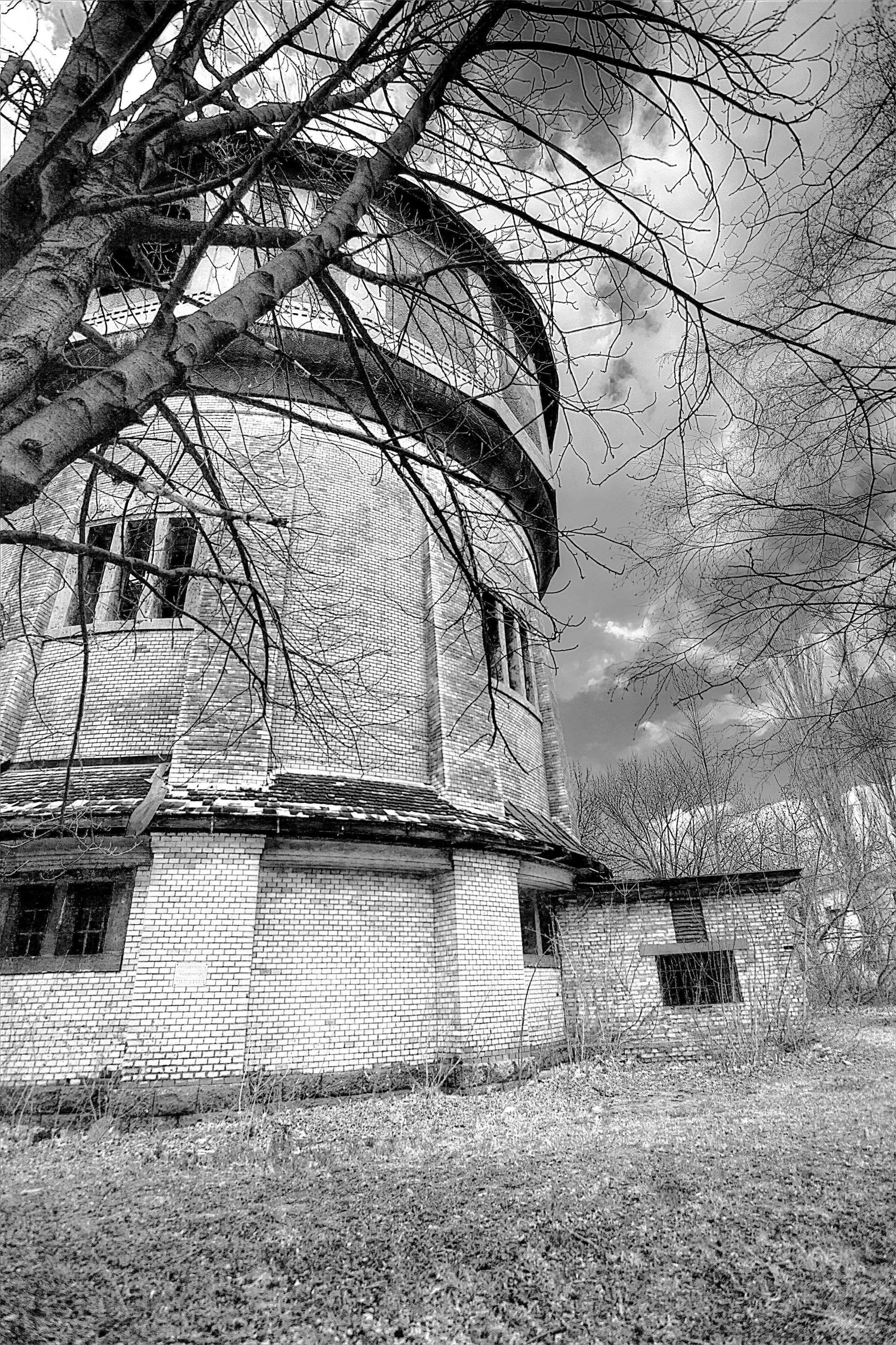
In 2012, we had the opportunity to photograph the abandoned Óbuda Gasworks in Budapest, at a time when much of the old industrial complex was awaiting an uncertain future. Some buildings had already disappeared, others were being transformed, and many of the remaining structures still contained the machinery and interiors of their former working lives.
We wanted to capture as much of this extraordinary place as possible while we still could.
A Factory That Once Powered a City
The Óbuda Gasworks was built in the early twentieth century on the banks of the Danube. Opening in 1913, it became an important part of Budapest's industrial infrastructure, manufacturing town gas from coal for lighting, heating and other domestic and industrial uses.
Before natural gas became widely available, factories like this were essential to urban life. Their furnaces, processing plants, storage structures and distribution systems supplied the energy on which modern cities increasingly depended.
Coal-based gas production ended in 1984, after more than seven decades of operation. Limited gas-processing activities continued for a few more years, until the plant finally ceased operations in 1987, as Budapest completed its transition from manufactured town gas to natural gas.
Over the following decades, parts of the vast site were demolished, while others were preserved, abandoned or given new purposes. The southern part of the former industrial grounds was gradually transformed into Graphisoft Park, combining modern architecture with elements of the area's industrial heritage.
When we visited in 2012, the contrast between the past and the future was particularly striking.
Behind the Industrial Facades
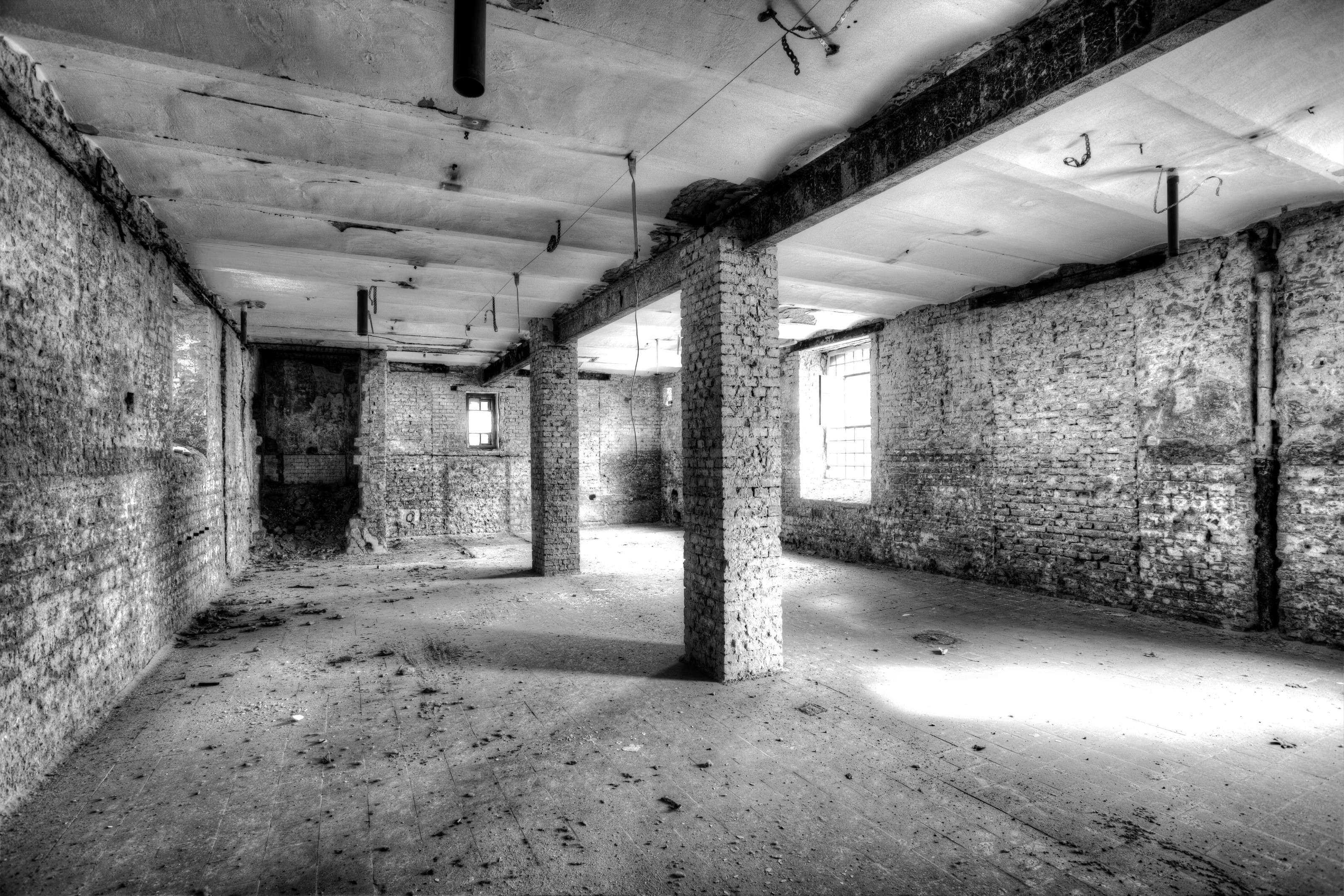
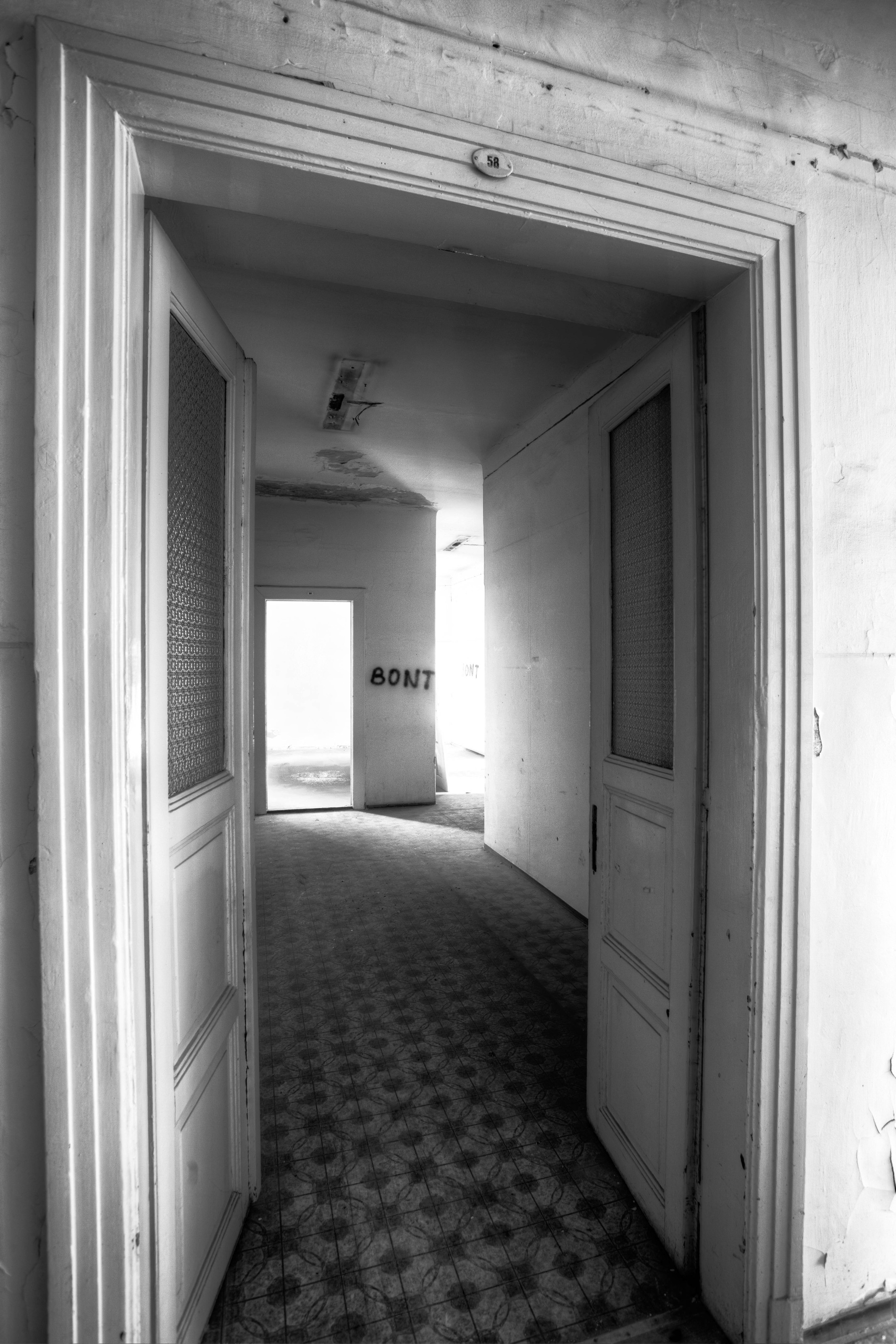
Our photographs were not limited to the spectacular structures of the gasworks. We explored the remaining buildings and their interiors, from large machinery halls and technical installations to control rooms and the ordinary spaces used by the people who once worked there.
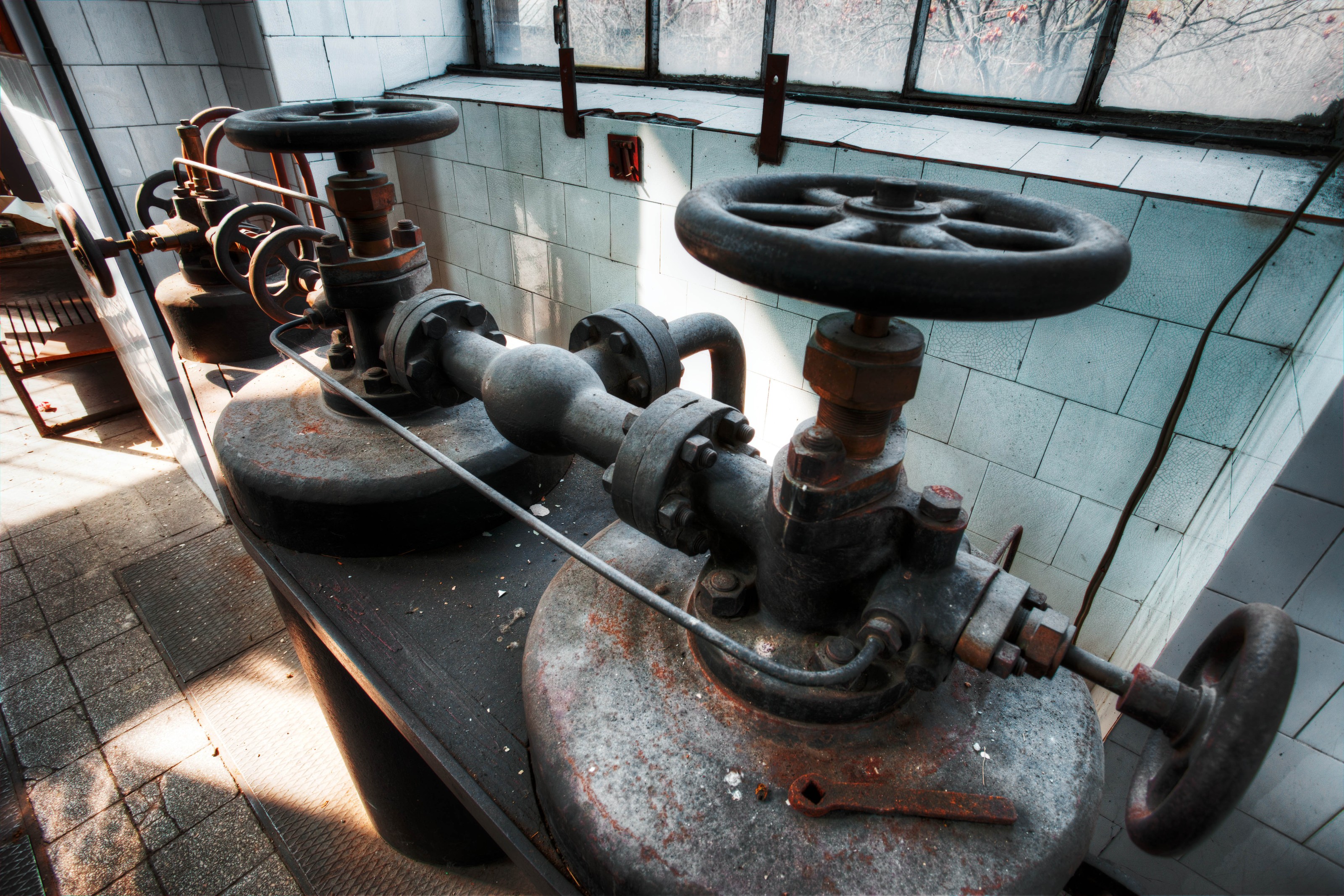
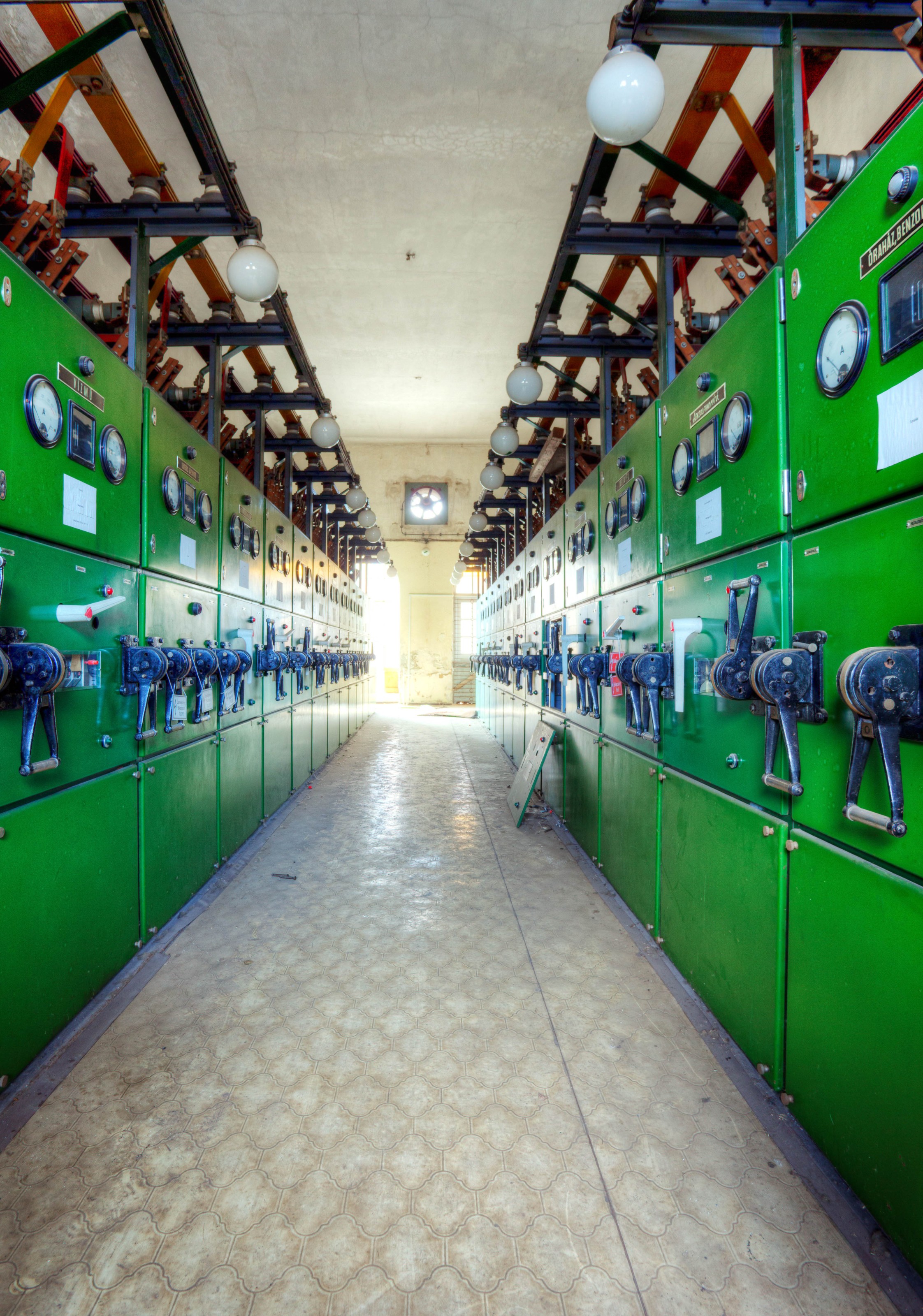
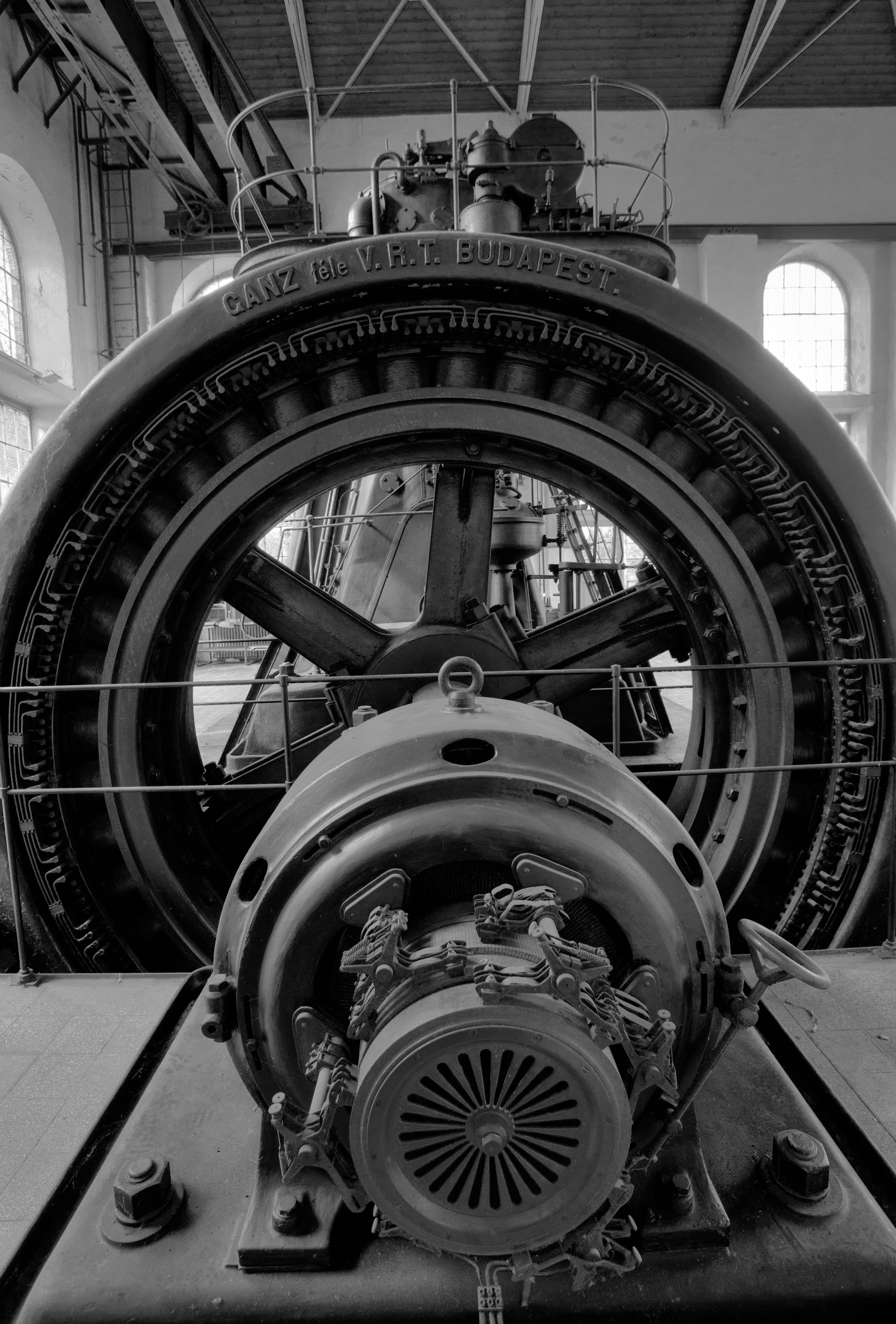
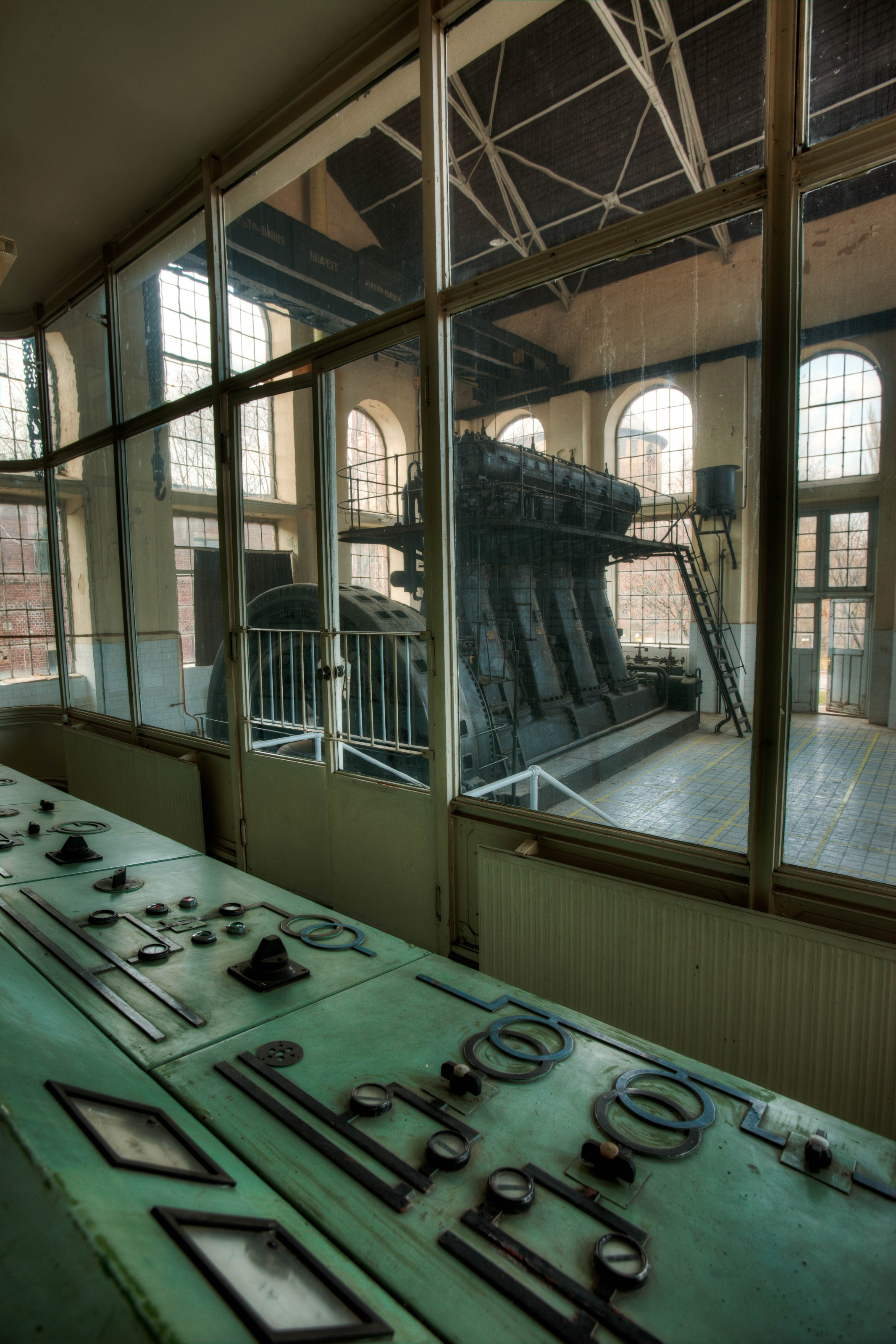
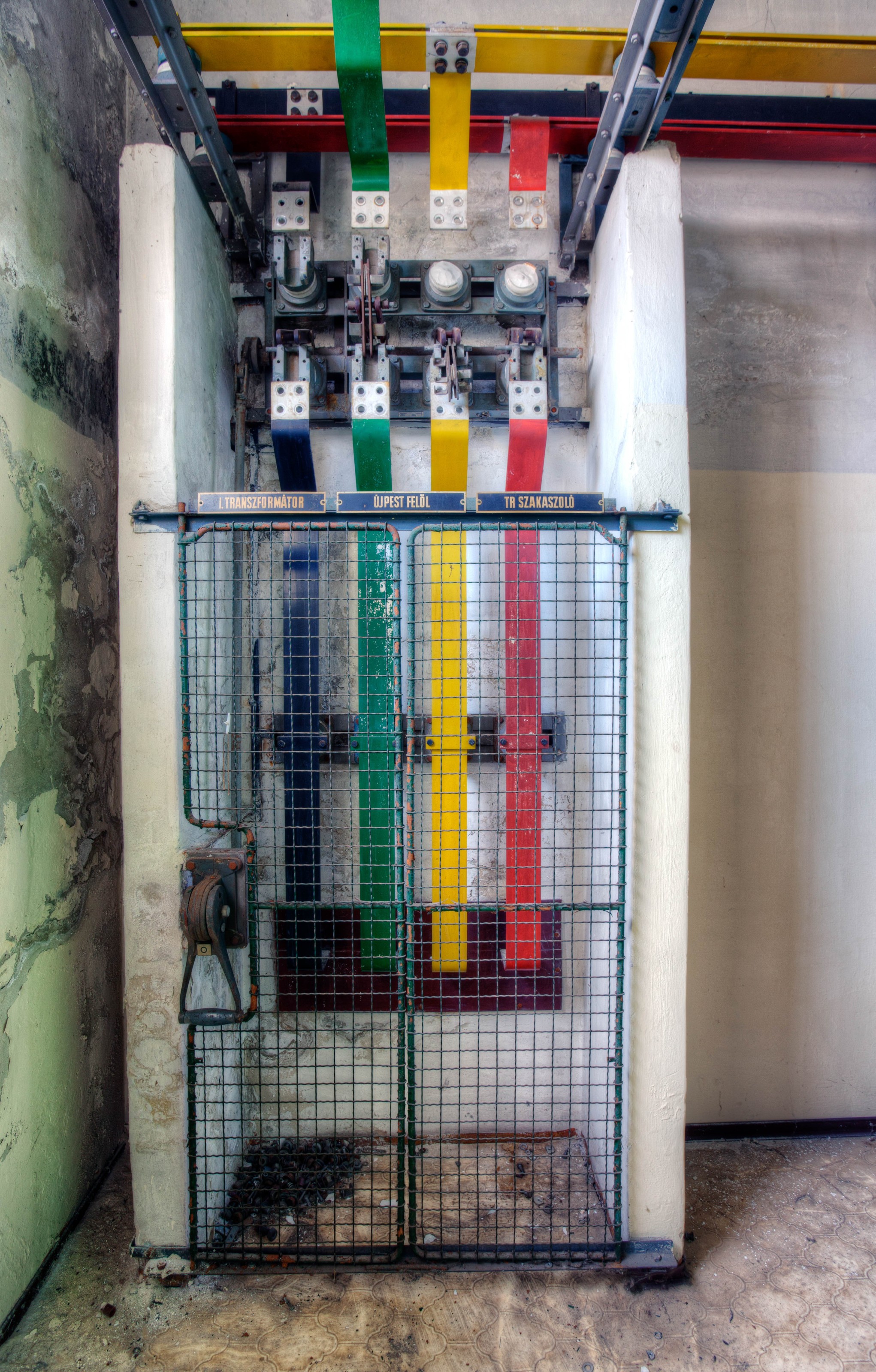
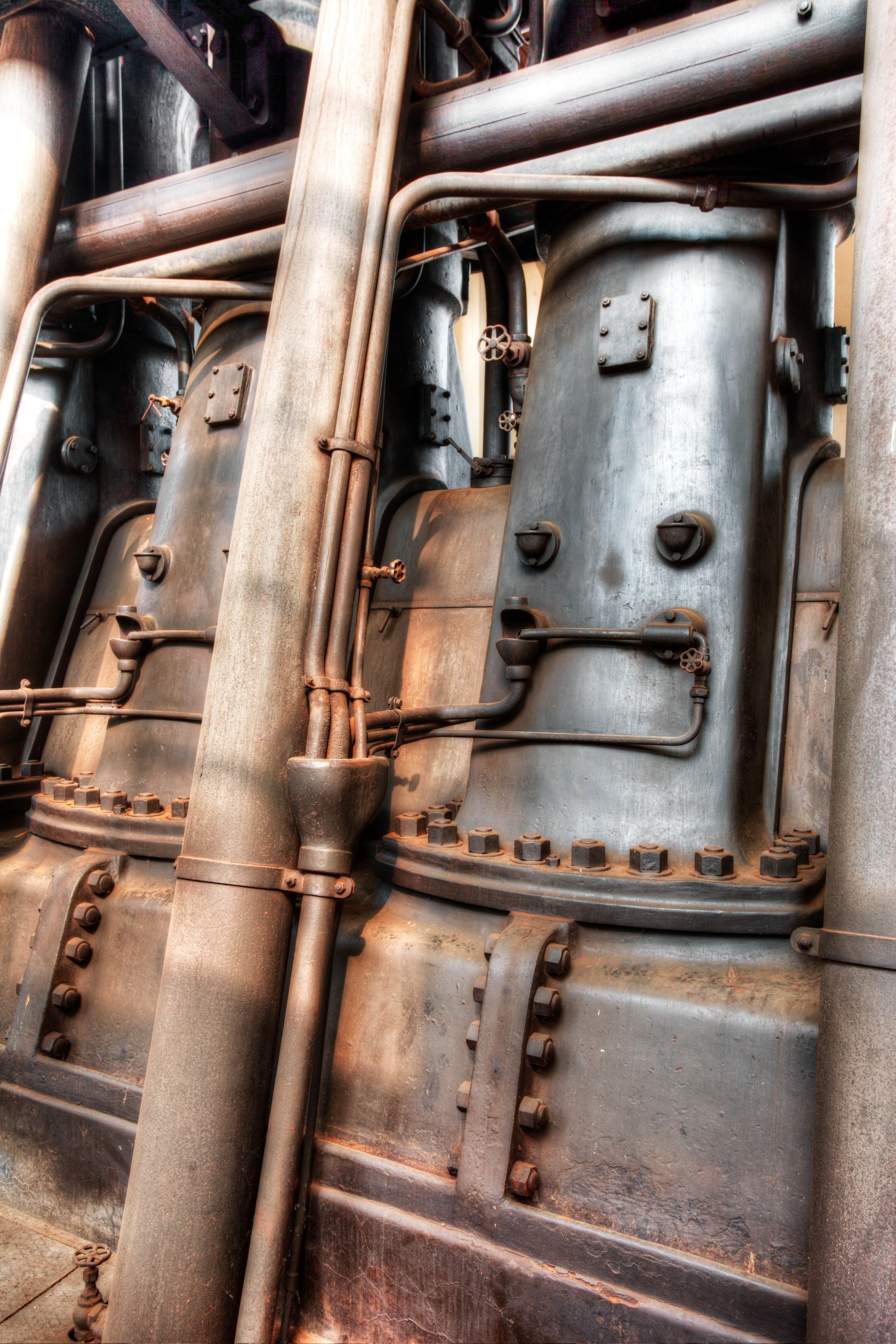
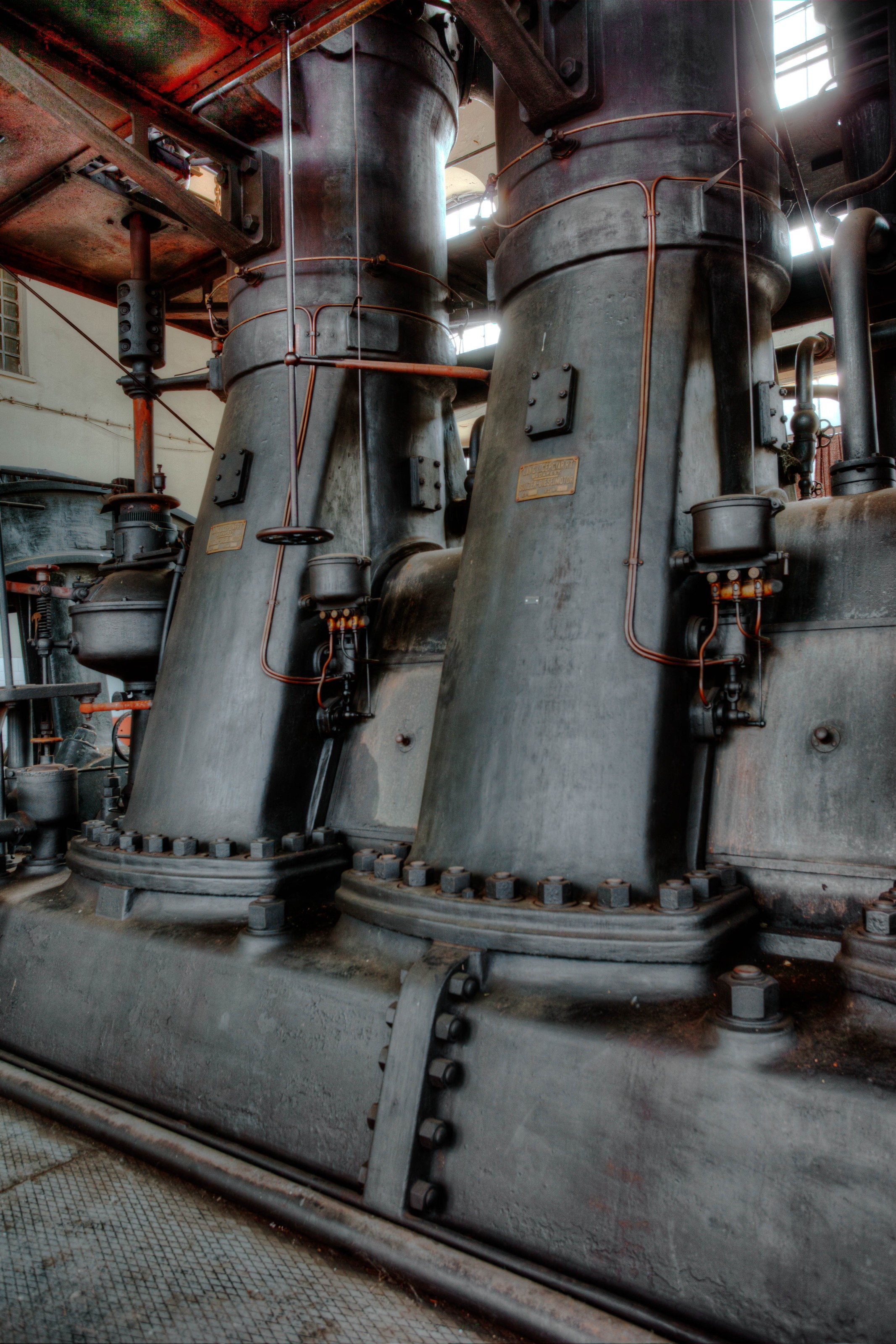
Some rooms were dominated by heavy equipment, pipes, valves and instruments. Elsewhere, long rows of control panels still stood in place, their switches and gauges recalling the complexity of the processes they once governed.
But the factory also had another, more human side.
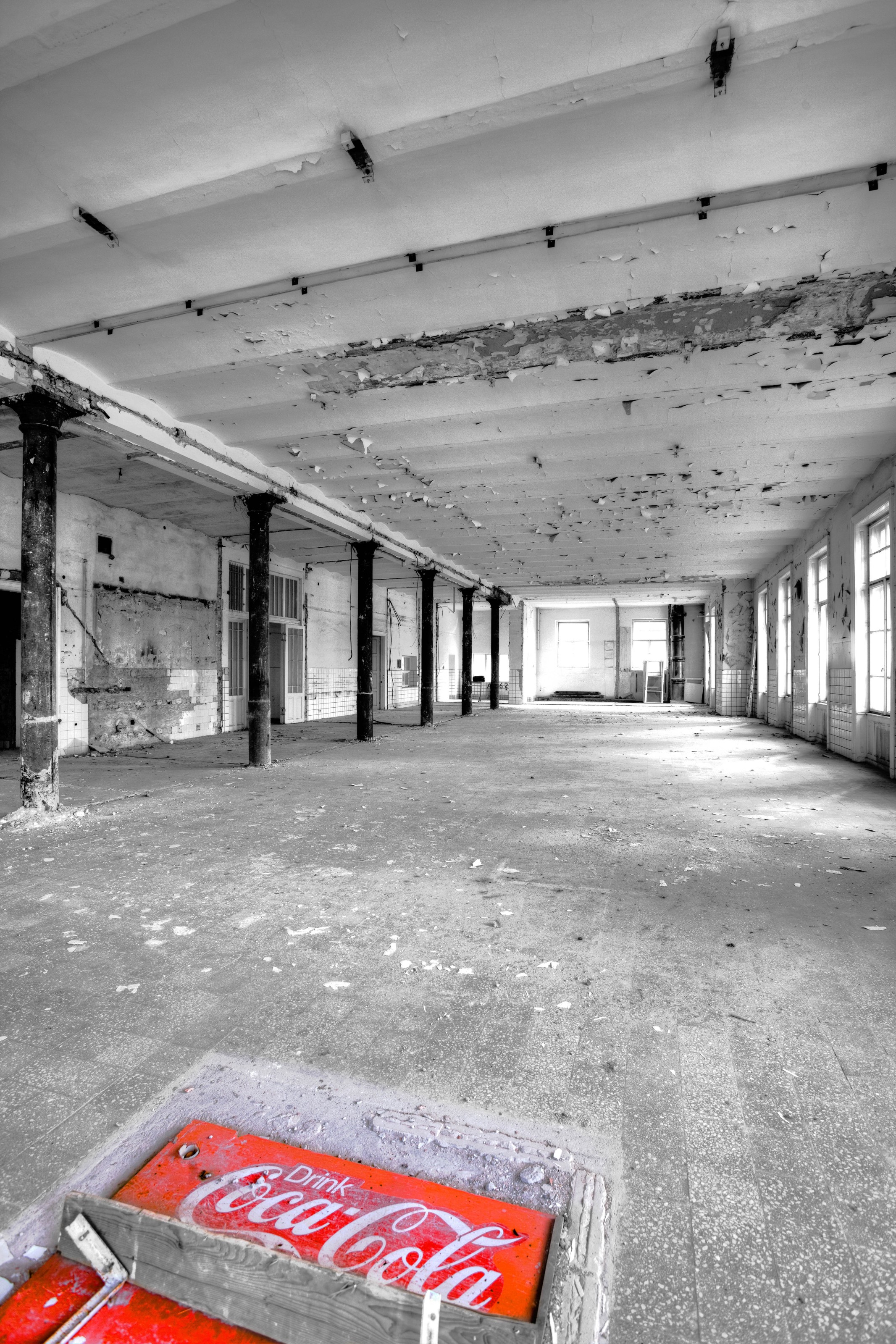
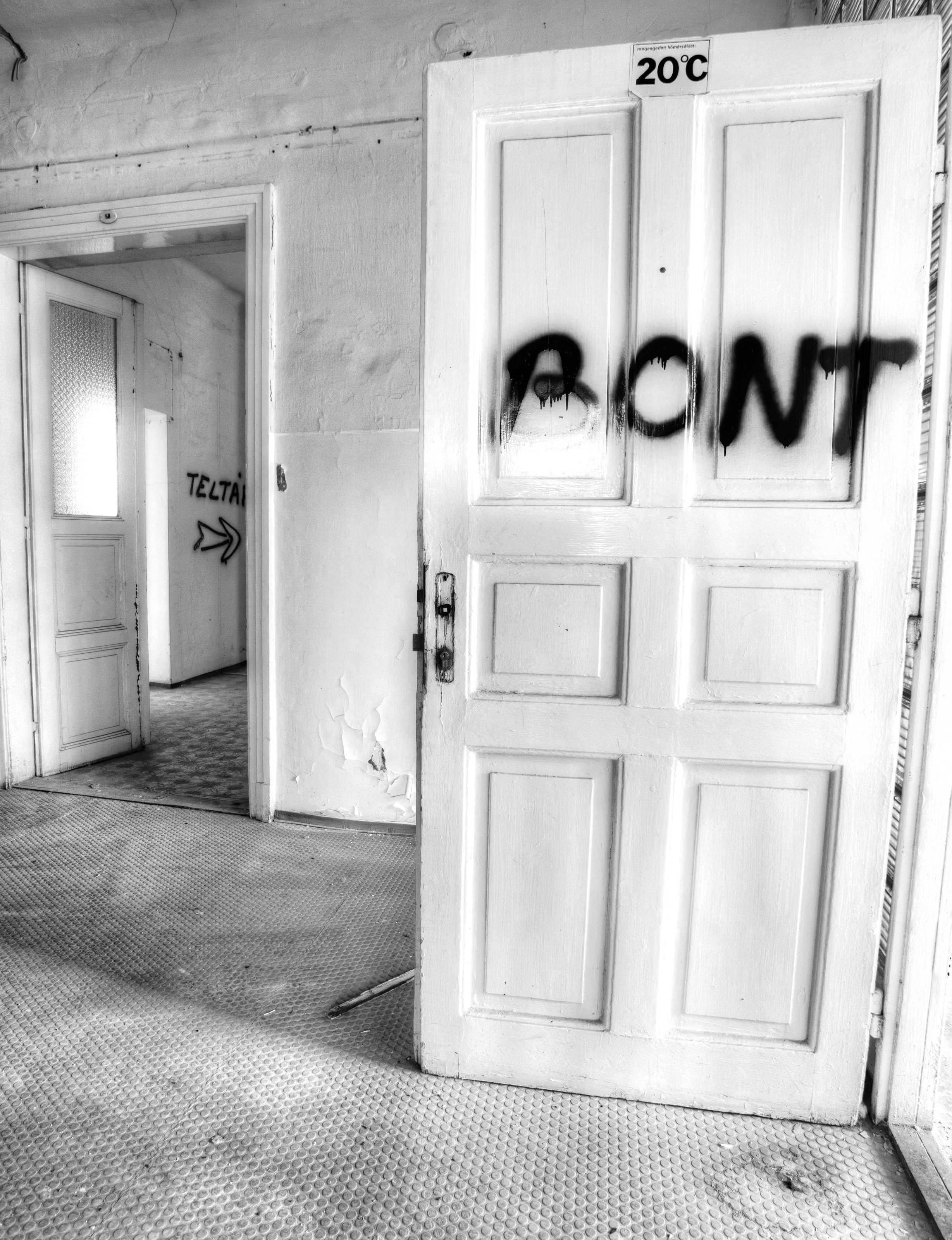
There were shower rooms, dining facilities and other everyday spaces that had served generations of workers. These were not impressive industrial monuments. They were simply places where people washed, ate, changed clothes and spent part of their working lives.
Their abandonment was perhaps even more evocative than that of the machinery. The equipment had lost its function, but the rooms had lost their people.
The Beauty of Decay
Industrial architecture was rarely designed to be beautiful in the conventional sense. Its forms followed the requirements of production, engineering and efficiency. Yet those practical decisions often resulted in extraordinary visual compositions.
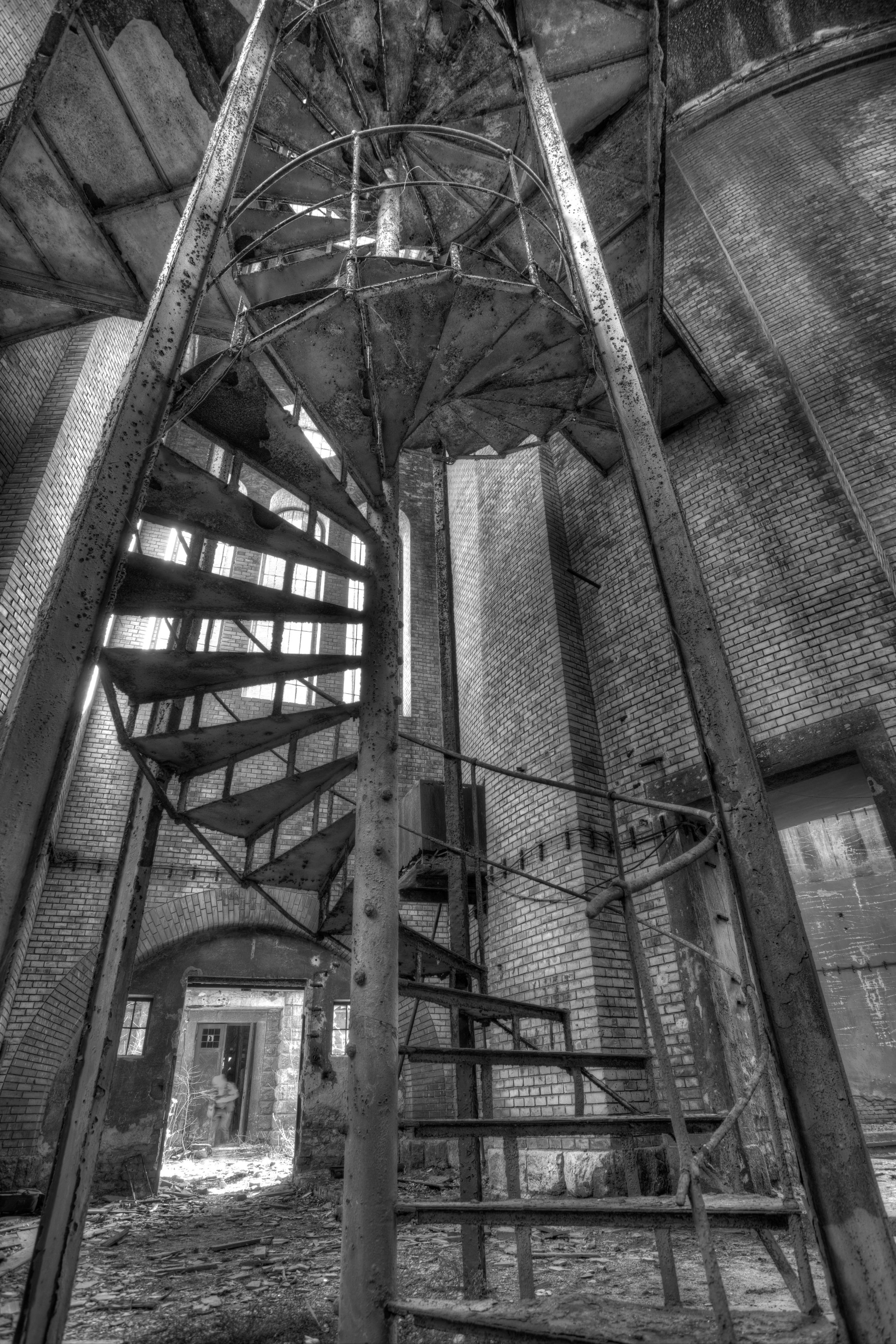
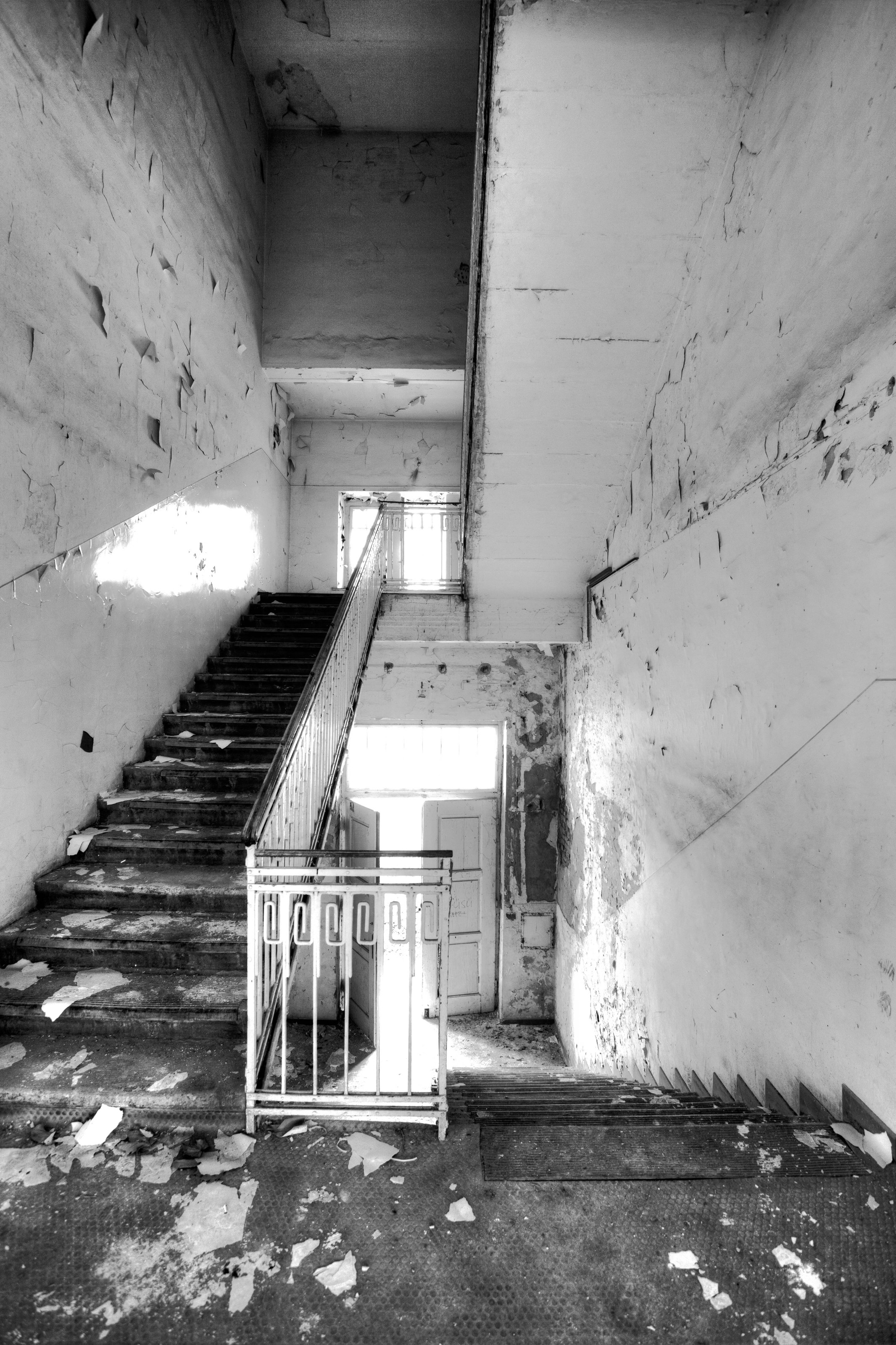
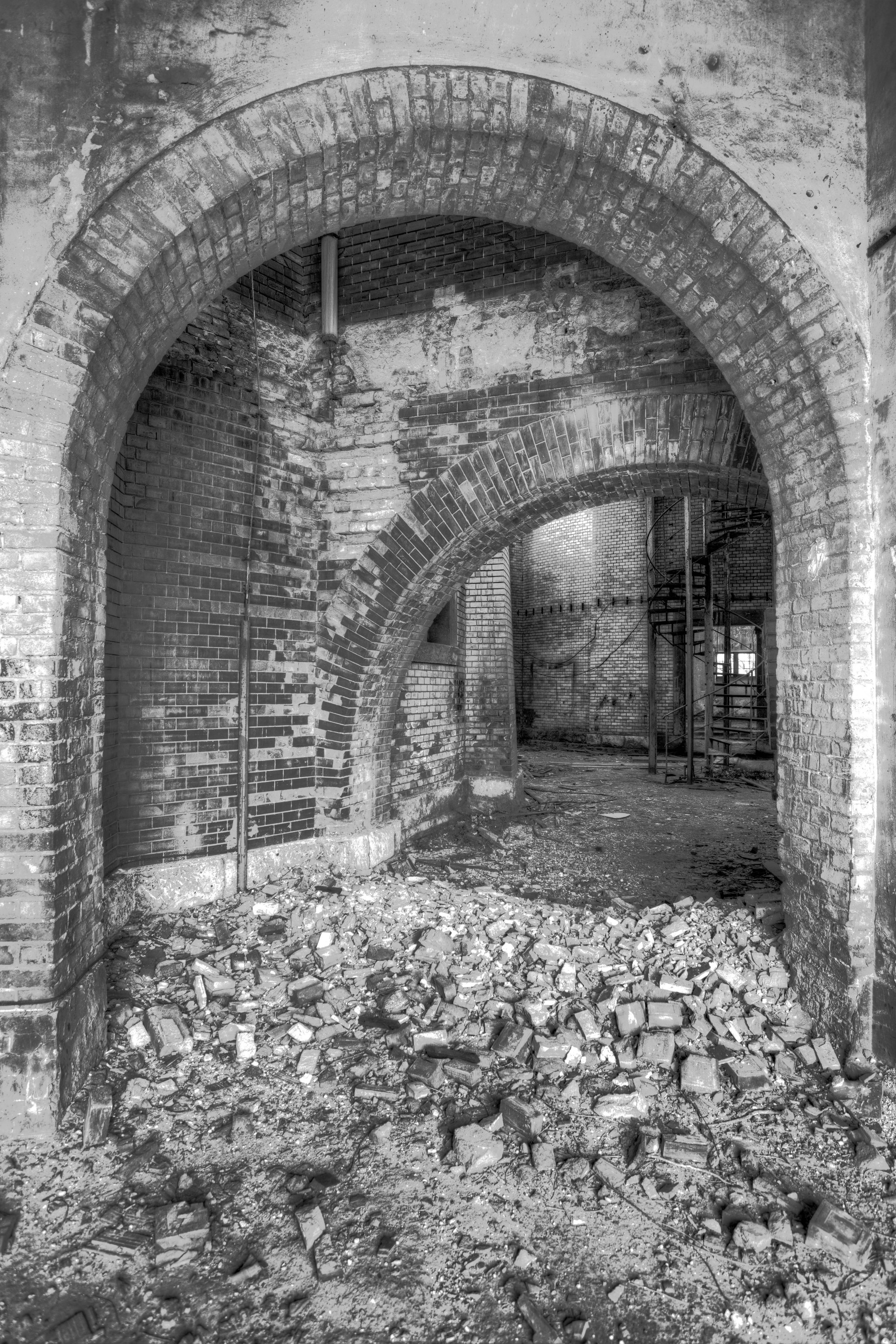
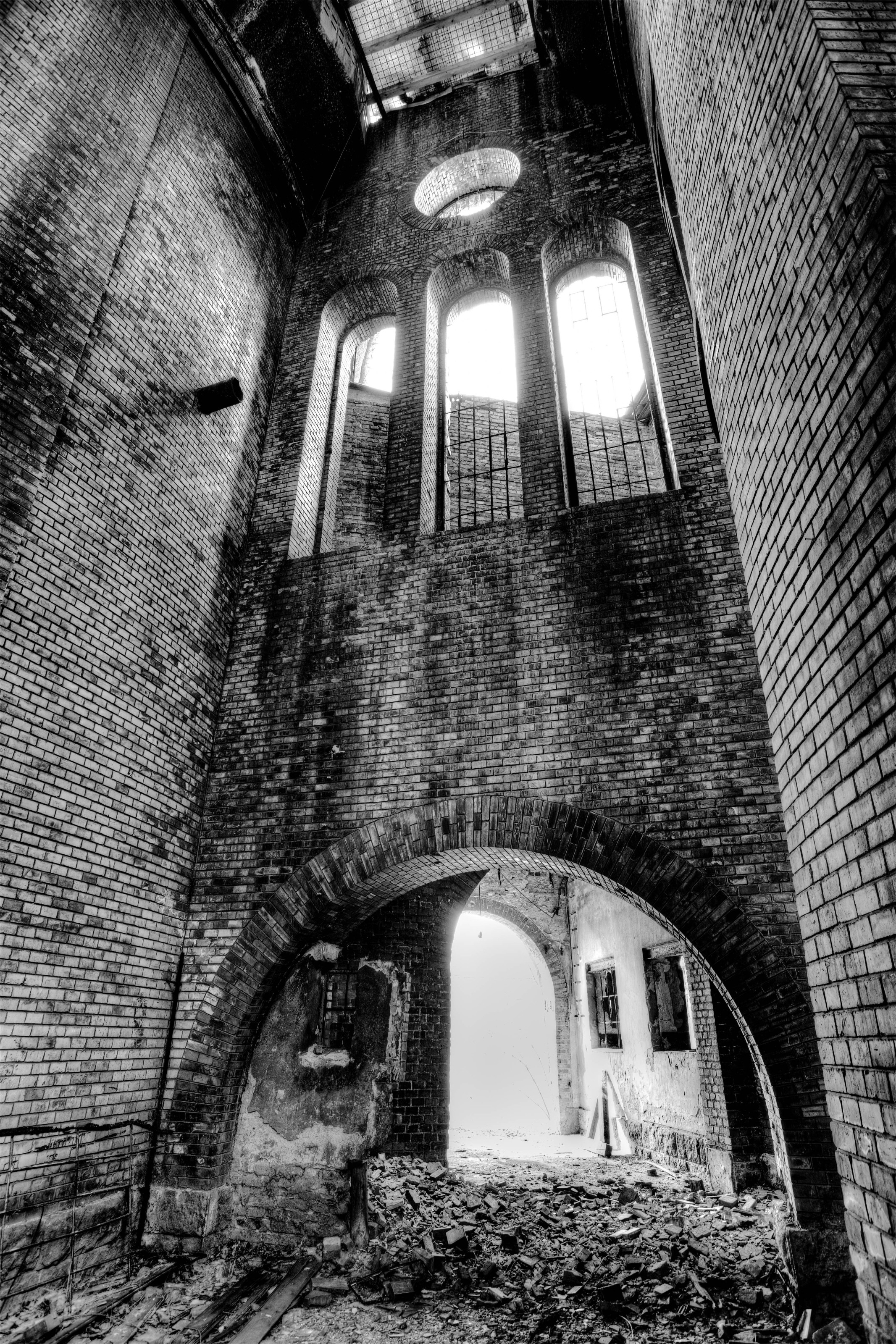
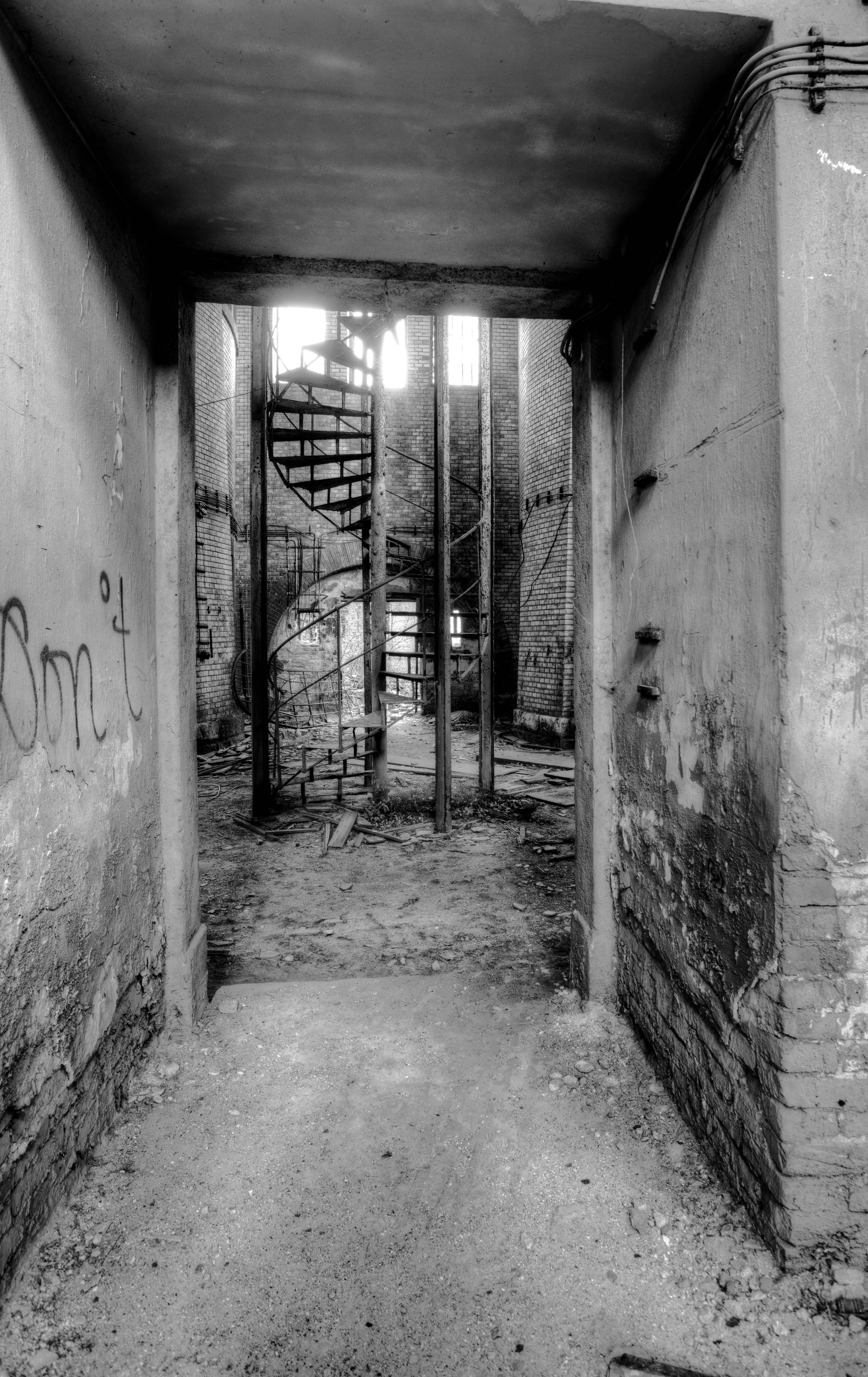
Long rows of identical control panels created almost perfect symmetry. Pipes and structural beams formed elaborate patterns. Steel staircases twisted upwards through monumental spaces, while windows, doors and passages introduced unexpected perspectives.
Years of operation and subsequent neglect had added another layer.
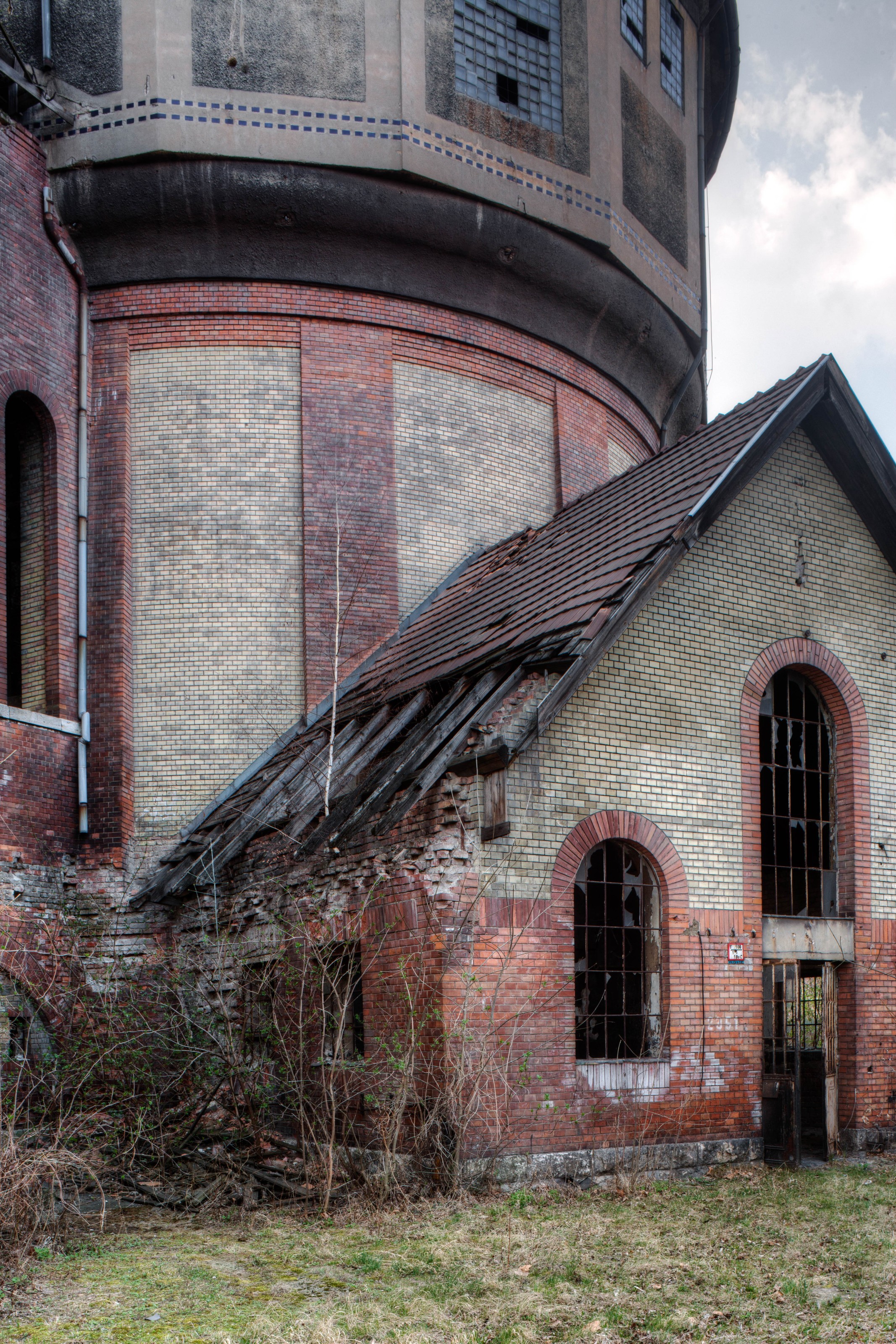
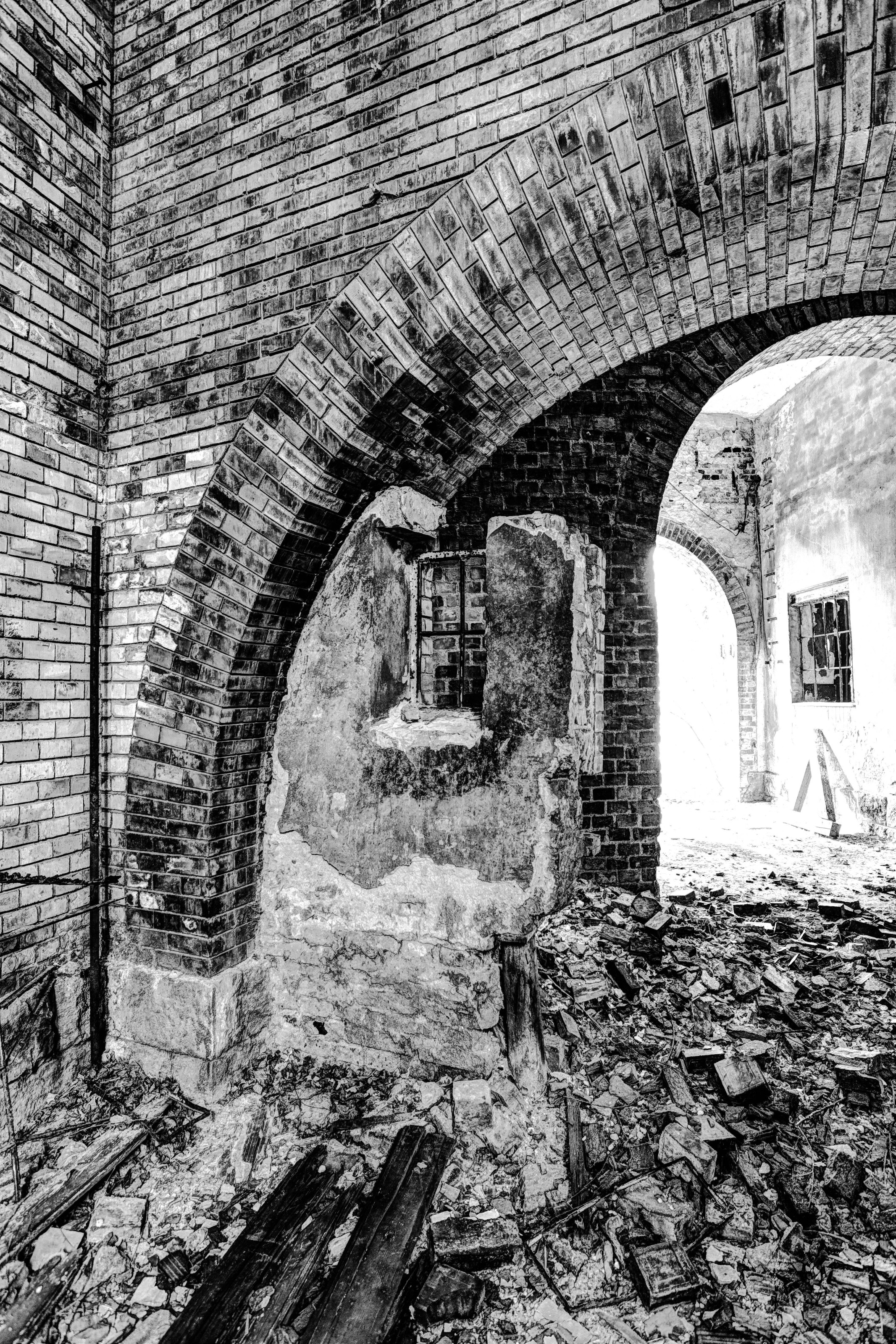
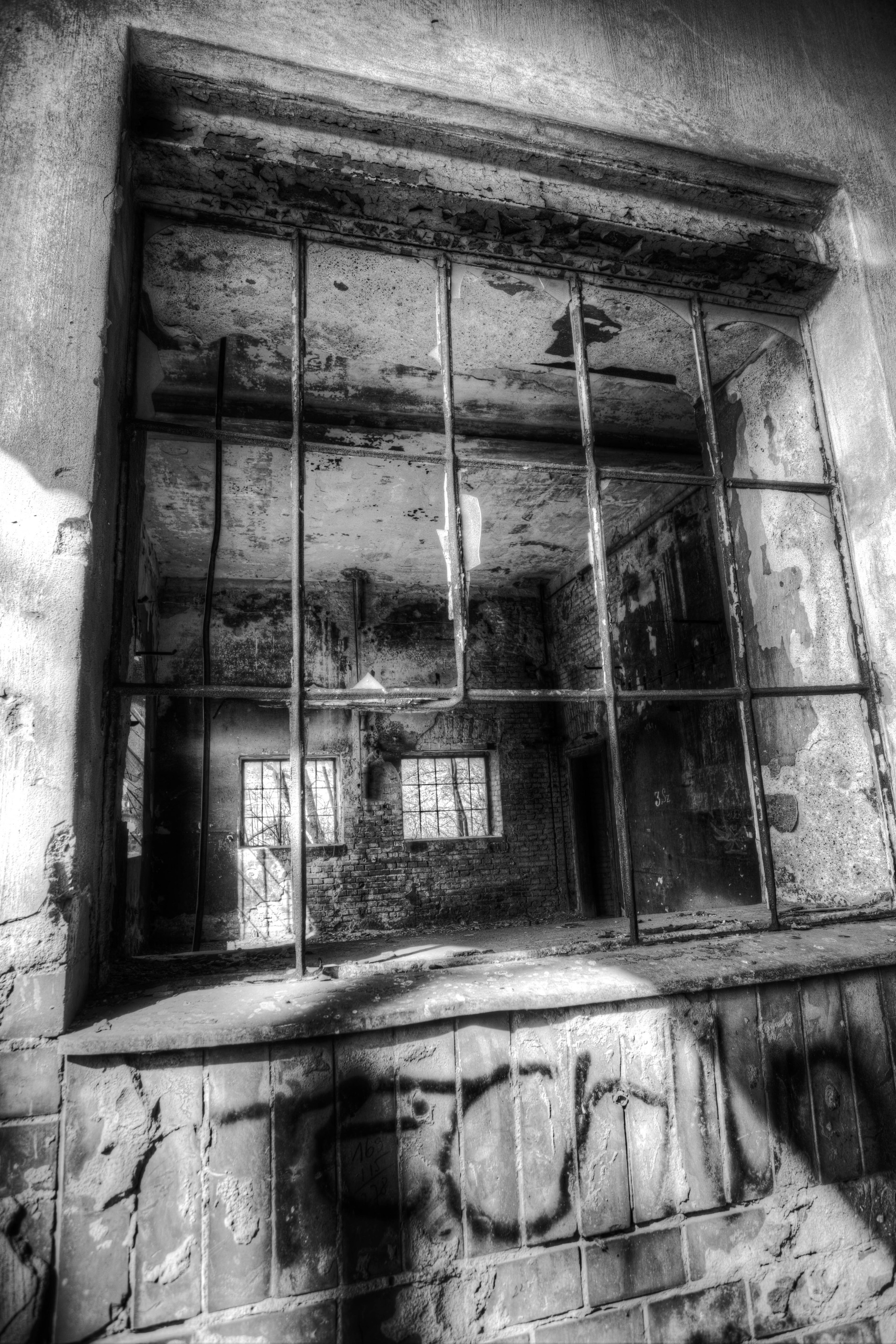
Rust, dust, cracked plaster, flaking paint and deteriorating surfaces transformed the buildings into an intricate collection of textures and colours. Light entered through dirty windows and damaged openings, bringing out details that might have remained unnoticed when the factory was still working.
In processing these photographs, I deliberately emphasized those qualities. Strong local contrast, pronounced textures and heightened sharpness bring the roughness of the surfaces to the foreground. In some images, colour becomes an essential part of the composition; in others, black and white allows the geometry and structure to dominate.
The intention was never simply to make a factual inventory of what remained. I wanted the photographs to convey the atmosphere of the place — its scale, its complexity and the visible marks of time.
Inside the Circular Tower
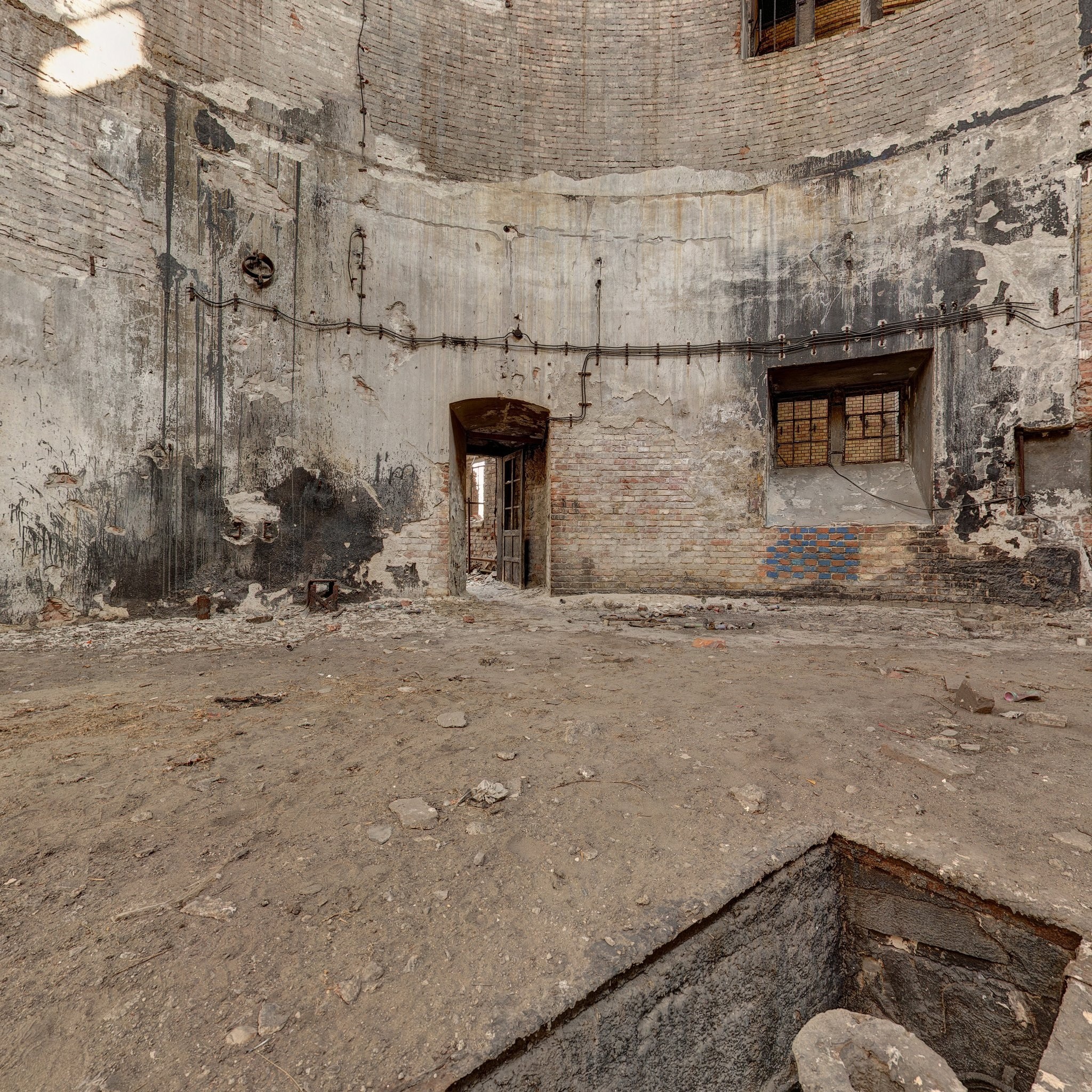
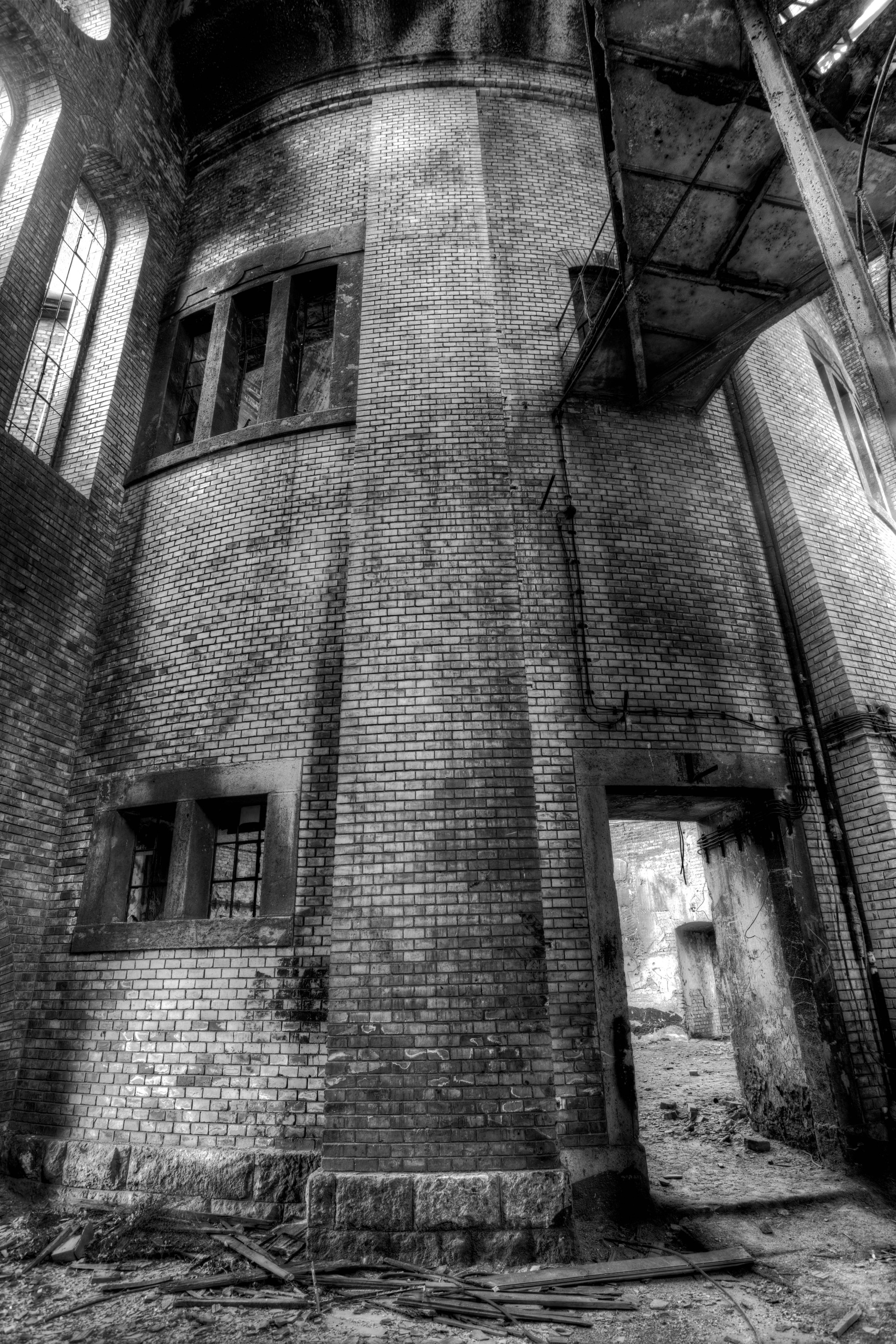
Among the most memorable spaces was the interior of a large circular industrial structure.
Its curved brick walls, steel framework, openings and remaining architectural elements created an extraordinary environment. Looking upwards or downwards, familiar architectural forms took on unfamiliar shapes, while the circular geometry seemed to extend beyond the limits of an ordinary photograph.
A single image could record a particular view, but it could hardly reproduce the experience of standing inside the structure and looking around.
I therefore created a high-resolution photographic panorama, assembling multiple overlapping exposures into a continuous view of the interior.
The result allows visitors to explore the interior themselves: to turn around, look upwards, examine the structure and zoom into its smallest visible details.
It is a different kind of photograph — one in which the viewer can choose where to look.
What Remains
The photographs in this collection were made during a period of transition, when the industrial activity had long ceased but the physical traces of the old gasworks were still present.
These photographs are not a complete historical survey, nor were they intended to be. They are a personal interpretation of an abandoned industrial environment, made at a particular moment in its history.
Looking at the images today, I find the contrast between the machinery and the ordinary human spaces particularly compelling. The enormous technical installations reveal the scale of the industrial undertaking, while a deserted shower room or dining room reminds us of the people who once kept it running.
The interactive panorama adds another dimension, preserving something of the experience of physically occupying one of these extraordinary spaces.
Much of what we photographed is gone. The photographs remain.
Comments
Leave a comment
Comments need approval before appearing here. Approval may take time.